
About
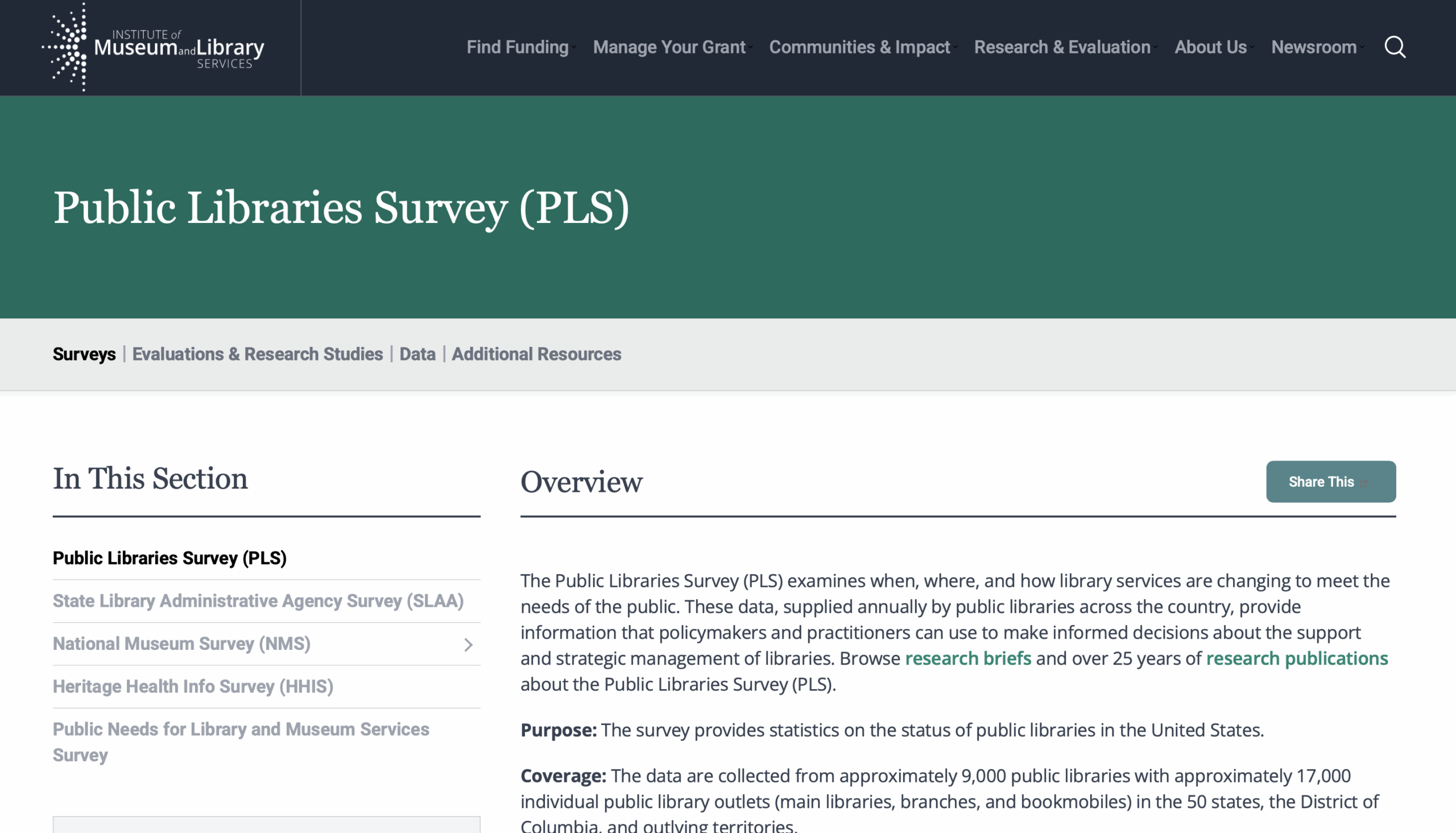
Figure 1: Public Libraries Survey page on IMLS website
Source
Figure 1 shows the source of our data. Our project uses data from the 2022 Public Libraries Survey, conducted by the Institute of Museum and Library Services (IMLS). This national dataset includes responses from over 9,000 public libraries across all 50 states and U.S. territories.
For our analysis, we focused on two states—Mississippi and Massachusetts—which differ significantly in income, infrastructure, and educational investment. We selected variables related to children’s services, including materials circulation, program counts, and library operating income. These choices were guided by our interest in how children’s access to public resources varies across different socioeconomic and geographic contexts. As D’Ignazio and Klein remind us in Data Feminism, data is never neutral—it reflects institutional priorities and assumptions about what matters.
Processing
To ensure consistency in our comparison, we included only libraries that meet the Federal-State Cooperative System (FSCS) definition. We created ratios such as children’s circulation rate and program rate by adjusting for each library’s legal service area population. We also converted financial data into per capita figures to make results comparable between the two states. Entries with placeholder values like -1, -3, and -9 were excluded to ensure clarity. Variable names were renamed using IMLS documentation to improve readability.
Presentation
We built our website using WordPress, using a clean and innovative design to guide users through our exploration of library accessibility across the two states. We chose a lighter theme with dark text for strong contrast. We aimed to ensure that readability is maintained across devices while allowing our maps, charts, and visualizations to stand out against a neutral background.
The site is organized to show our research progression. Each section uses a mix of interactive elements which includes embedded maps and comparative bar graphs, which helps bring our narrative to life and help the audience directly engage with our data. We prioritized clarity and accessibility in both our layout and content. We used descriptive headers and concise text blocks that help users navigate the site easily, with the strategic color use emphasizing key insights without overwhelming them. We included many visualizations that invite the user to explore different patterns in multiple factors, which we hope will encourage a deeper reflection on how geography and socioeconomic status influences public access to libraries.
Our Team

Binghong Ni
Web Manager & Project Manager
Hi, I’m Binghong, a senior majoring in Computer Science. As web manager and data visualization specialist, I managed the setup and functionality of our WordPress website for consistency across the site. I also coordinated team communication and task delegation.
My favorite library is Powell Library!
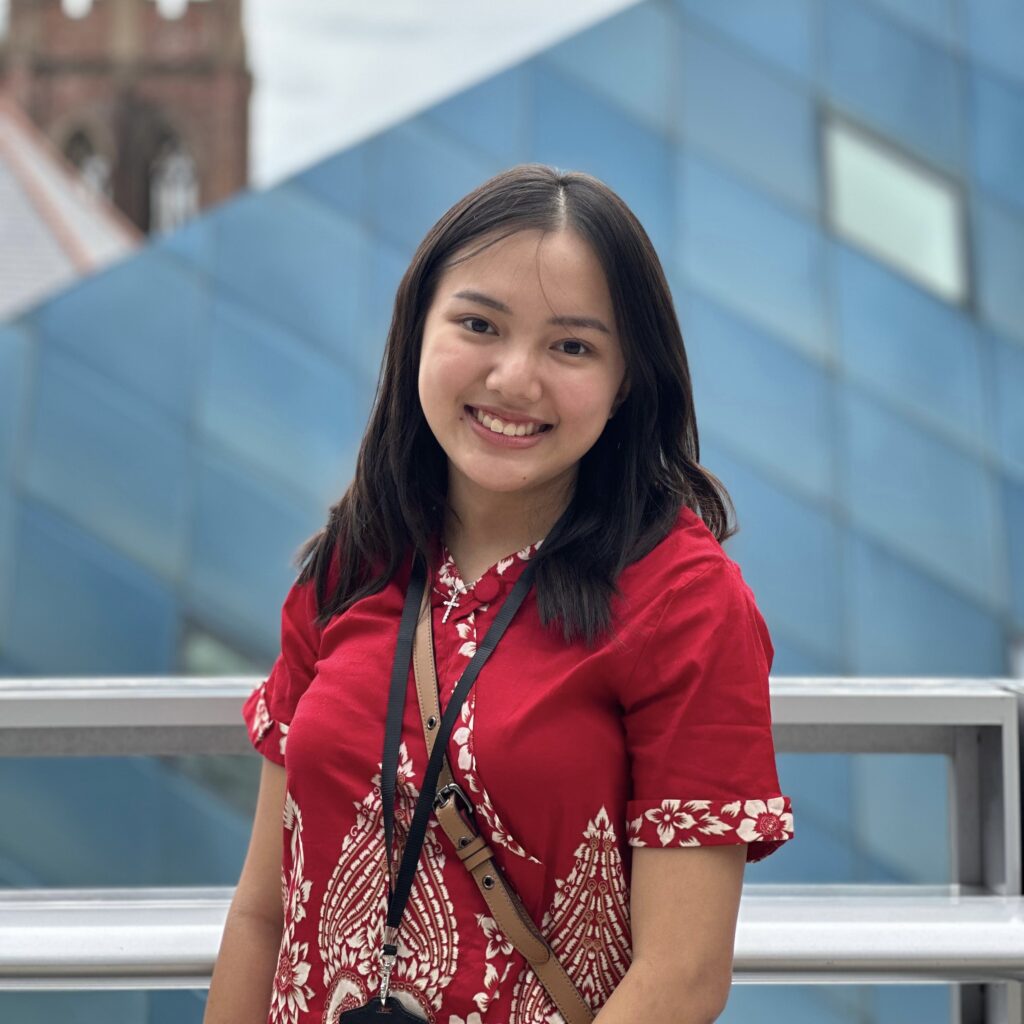
Celine Nugroho
Data Specialist
Hi! I’m Celine, a third-year Statistics & Data Science major from Surabaya, Indonesia. As data specialist, I was in charge of all things data. From cleaning raw data to analyzing trends and building visualizations, I transformed complex information into meaningful insight.
My favorite library is Cupertino Library!

Hyun Namkoong
Content Developer
Hi, I’m Hyun Namkoong, a third-year undergraduate student at UCLA majoring in Statistics & Data Science. As content developer, I helped shape the overall narrative by reviewing external literature. I also highlighted contradictions and silences in our findings.
My favorite library is Powell Library!
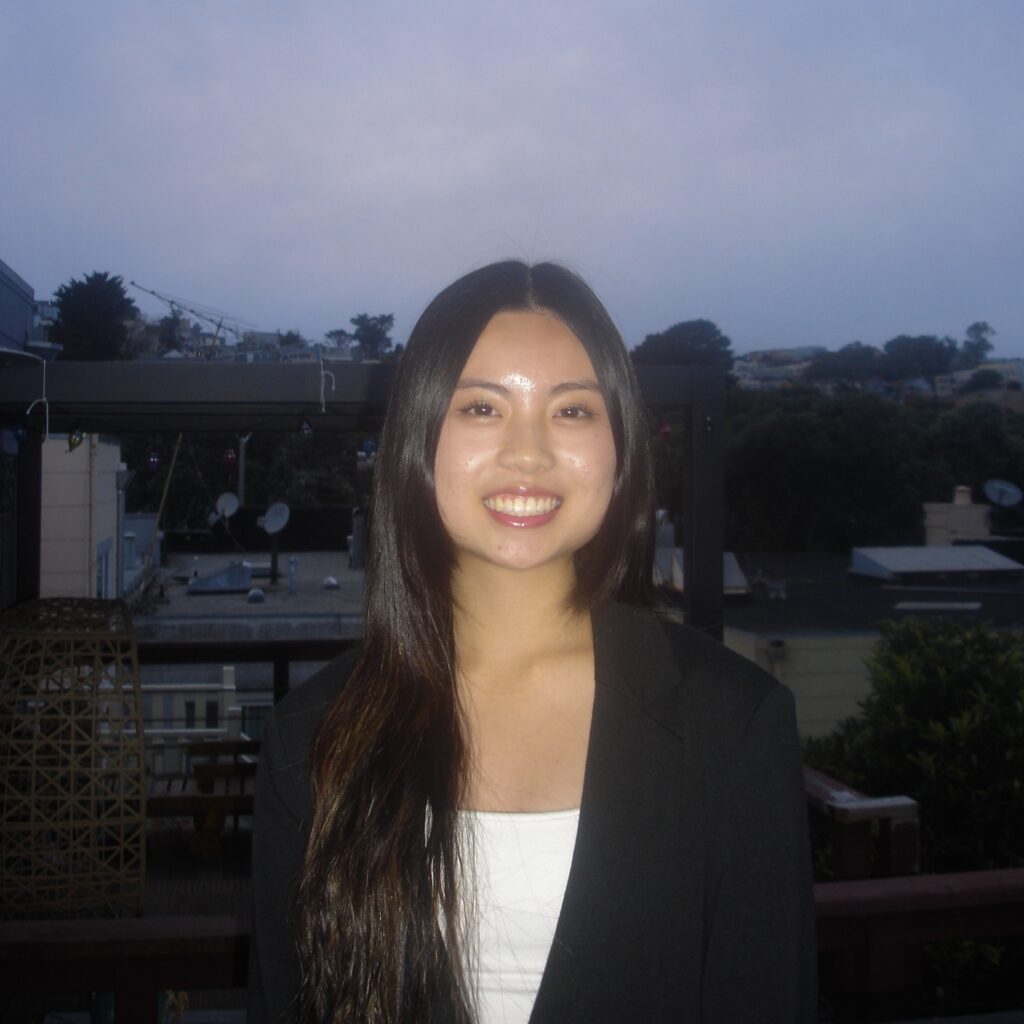
Izabella Chan
Web Designer
Hi! I’m Izabella, a first-year Cognitive Science Major at UCLA. As the web designer, I oversee the design and structure of the site. I also oversee the authoring of the site’s main narrative and ensure that the data visualizations and maps integrate neatly with the written content.
My favorite library is Mill Valley Library!
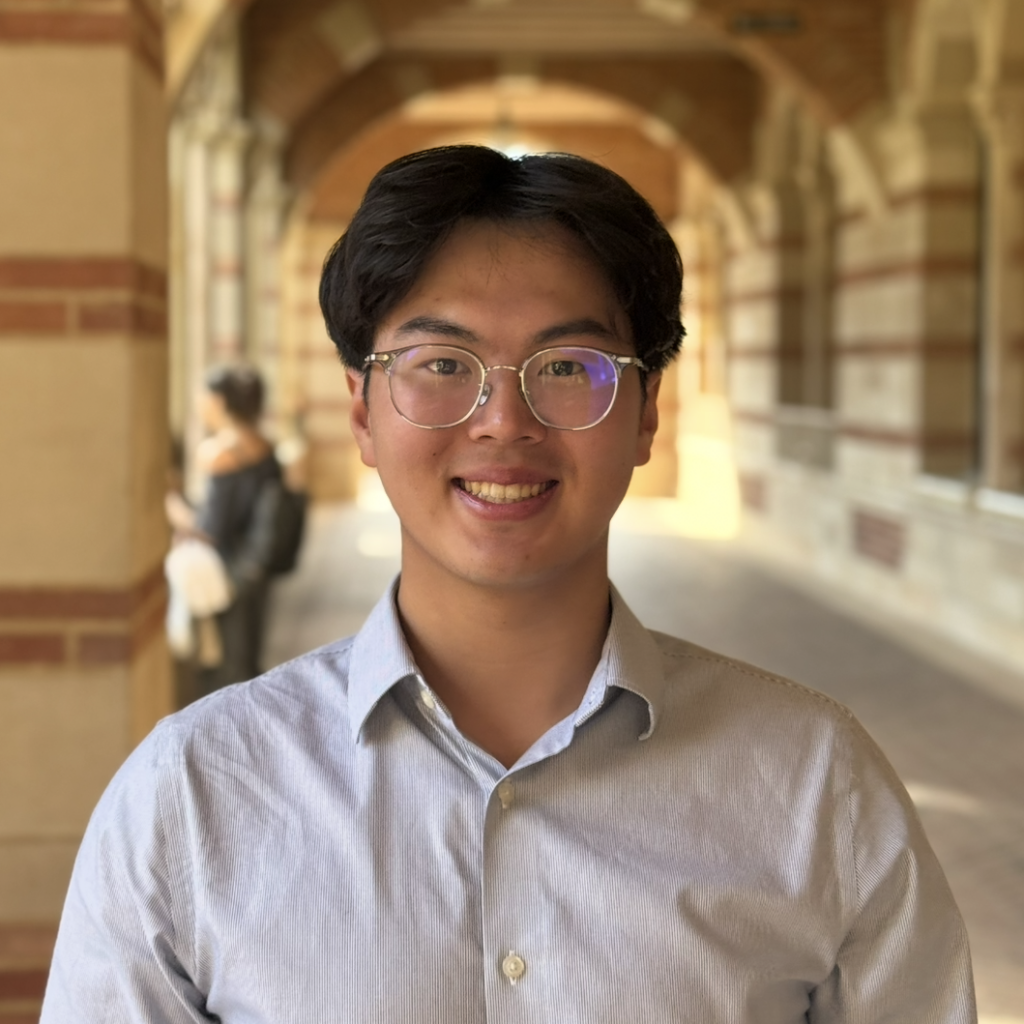
Qiutong Chen
Content Developer
Hi! I’m Charleston, a senior at UCLA double-majoring in statistics & data science and business-economics. As the content developer, I helped shape the overall narrative by introducing the background and context behind our project.
My favorite library is Forest Hill Public Library back home in Toronto, Canada!